Introduction to DIY Interior Painting
Are you a homeowner in Aurora, Colorado, itching to refresh your living space with a splash of color but not sure where to start? Painting your home's interior can be a rewarding DIY project that transforms your environment without breaking the bank. This guide aims to equip beginners with the knowledge and confidence needed to tackle this task successfully.
Essential Tools and Materials
Before you start painting, ensure you have all the necessary tools and materials. Here's a checklist to get you started:
- Paint: Choose high-quality paint suitable for the room's needs (e.g., moisture-resistant paint for bathrooms).
- Primer: Essential for ensuring paint adhesion and vibrant color.
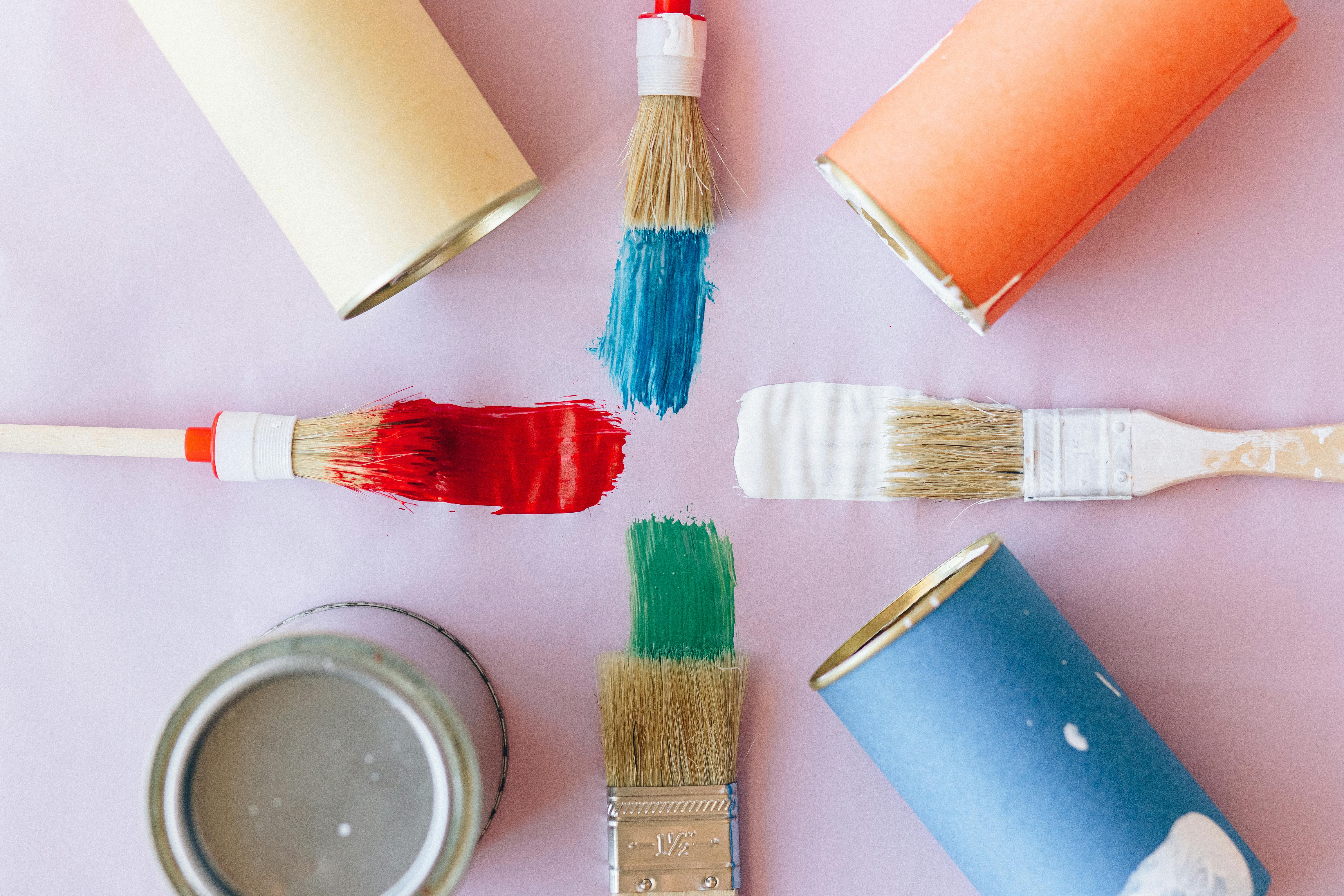
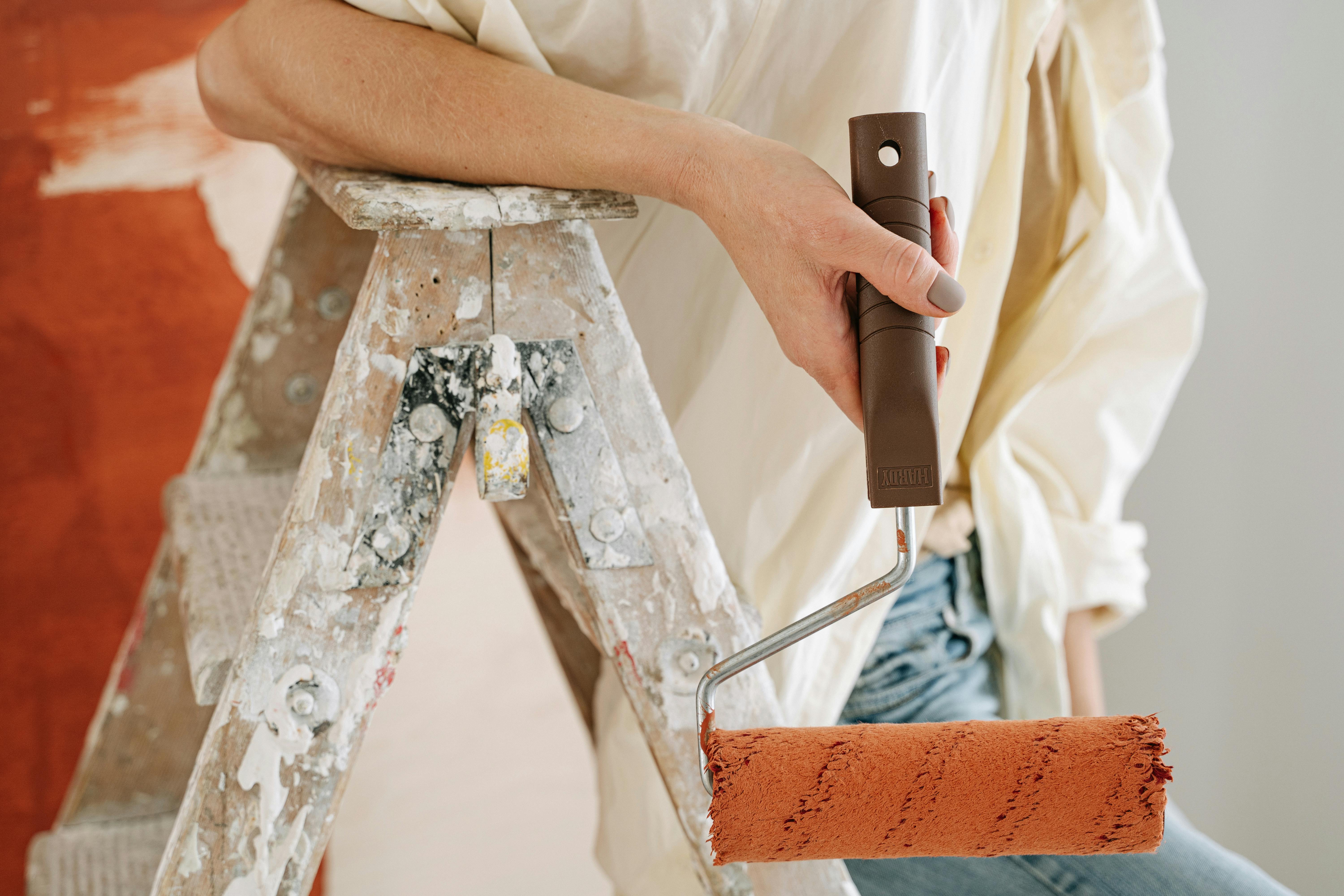
- Paintbrushes and Rollers: Invest in a set of high-quality brushes and rollers for different surfaces.
- Painter's Tape: For masking edges and ensuring clean lines.
- Drop Cloths: Protect floors and furniture from paint splatters.
- Sandpaper: For smoothing surfaces before painting.
- Paint Tray: For convenient access to paint while working.
- Extension Pole: Useful for reaching high walls and ceilings.
Choosing the Right Colors
Selecting the right colors for your home can be daunting. Consider the following tips to help make your decision:
Understand Color Psychology
Colors can influence mood and perception. For instance, blues and greens create a calm atmosphere, while reds and oranges energize a space. Think about the feel you want to create in each room.
Test Samples
Before committing to a color, buy samples and test them on your walls. Observe how they look in different lighting conditions throughout the day.
Preparing Your Space
Proper preparation is crucial for a successful paint job. Follow these steps to prep your room:
Clear and Clean
Remove furniture or move it to the center of the room and cover it with drop cloths. Clean walls to remove dirt and grease, ensuring paint adheres properly.
Repair Imperfections
Inspect walls for holes, cracks, or peeling paint. Use spackle to fill in imperfections, sanding smooth once dry.
Apply Painter's Tape
Use painter's tape to mask off areas you don't want painted, such as trim and edges. This ensures clean, professional lines.
Painting Techniques for Beginners
With everything prepped, it's time to paint. Here are some beginner-friendly techniques:
Cutting In
Start by 'cutting in'—painting the edges of walls and around trim with a brush. This creates a border for roller painting.
Rolling the Walls
Use a roller for the main wall areas. Apply paint in a 'W' pattern for even coverage and to avoid streaks.
Multiple Coats
For a smooth finish, apply two or more coats. Allow each coat to dry completely before applying the next.
Clean Up and Final Touches
Once painting is complete, it's important to clean up properly:
- Remove Tape: Gently remove painter's tape while the paint is still slightly wet to prevent peeling.
- Clean Brushes and Rollers: Follow the paint manufacturer's instructions for cleaning tools.
- Inspect for Touch-Ups: Check for any missed spots or drips and touch up as necessary.
Conclusion
With these beginner-friendly tips, you're now ready to embark on your DIY interior painting project. Not only will you save money, but you'll also gain the satisfaction of enhancing your Aurora home with your personal touch. Remember, if you ever feel overwhelmed, Pro Classic Painting, Inc. is here to help with professional services tailored to your needs.
For more expert advice and professional assistance, contact Pro Classic Painting, Inc. today. We're committed to making your painting dreams a reality right here in Aurora, Colorado.